Smart Logistics Value Chain
network
planning


transportation
(Ocean, Rail, Road, Air)
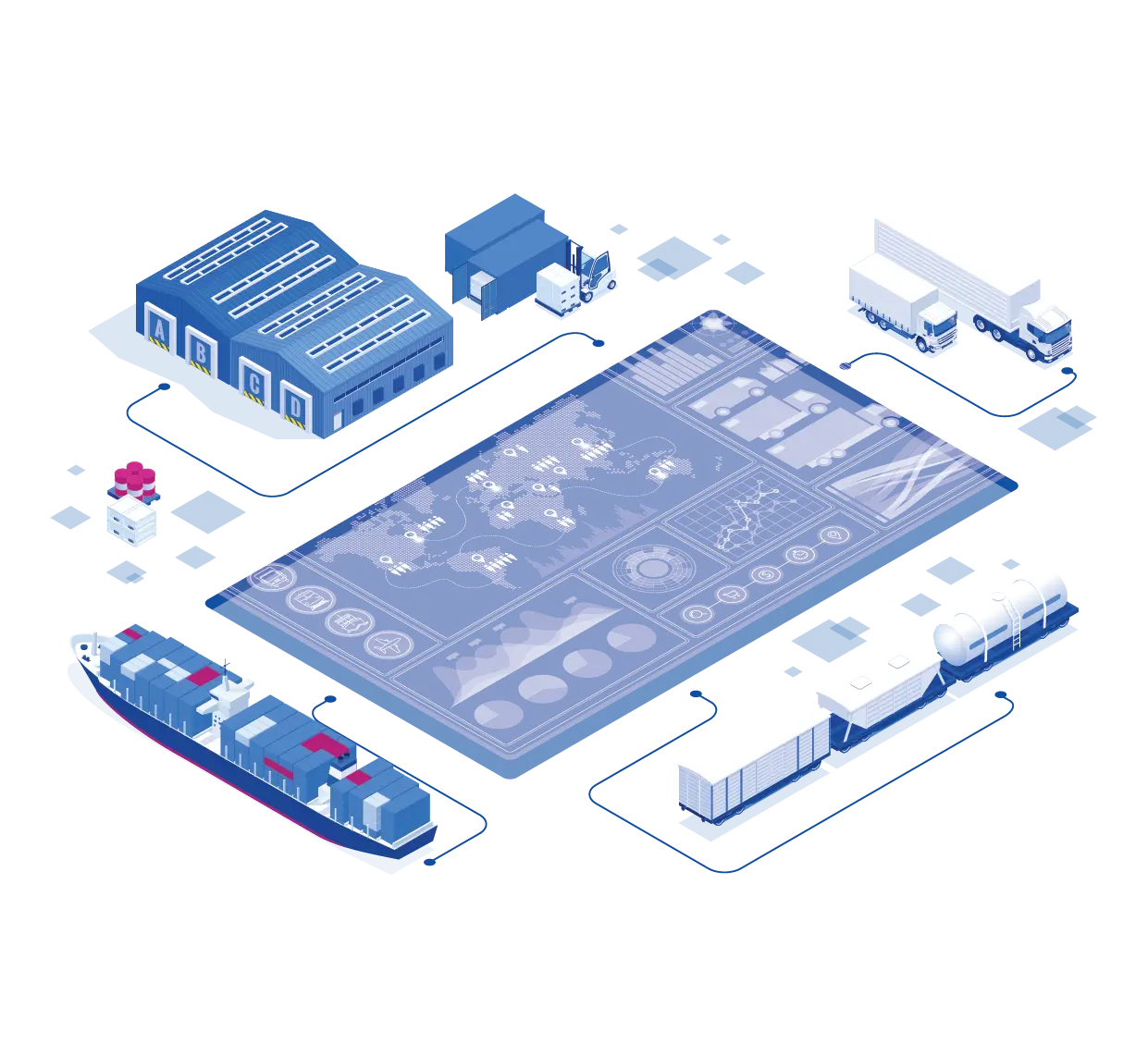
and inventory
management
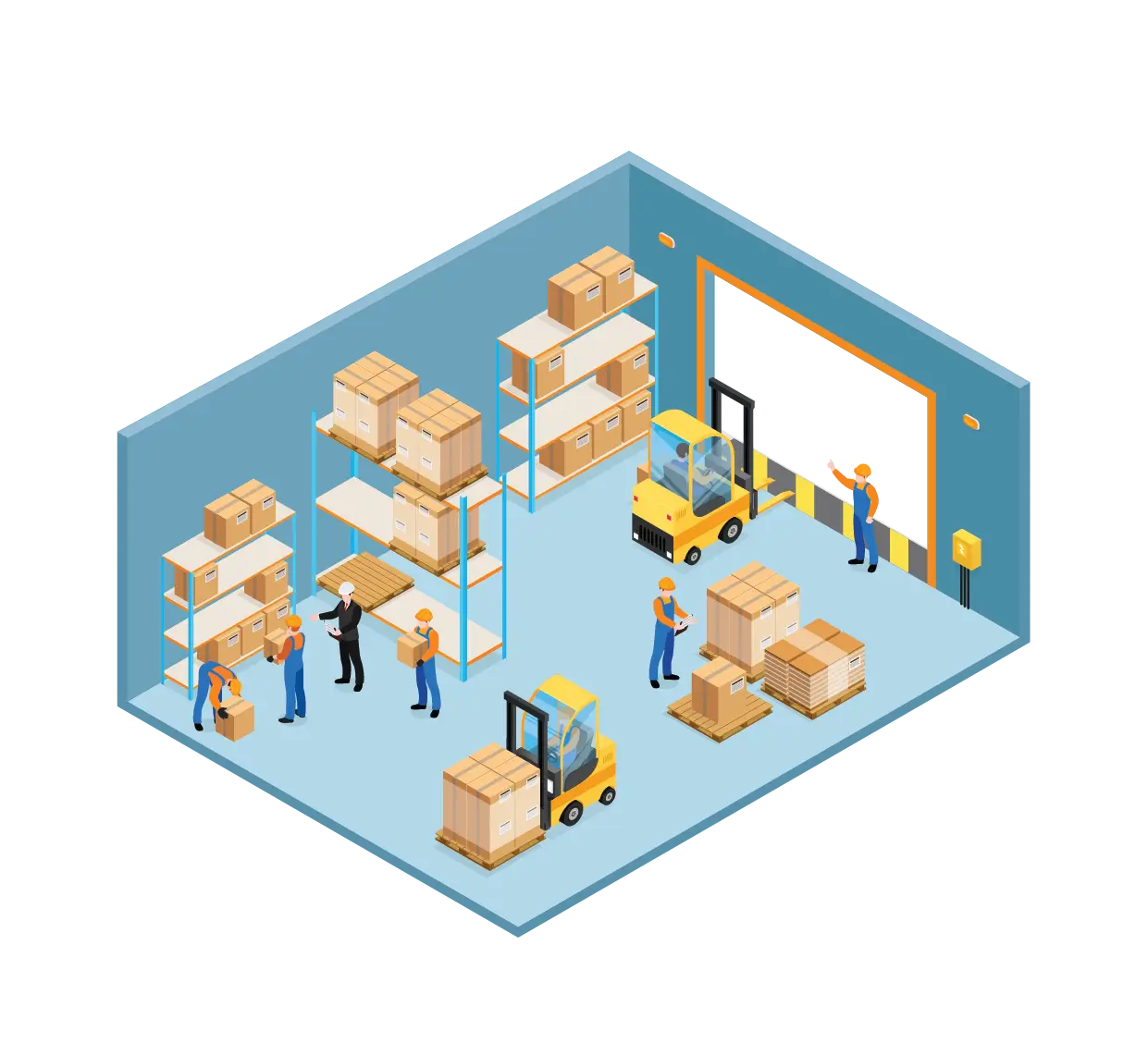
fulfilment
management
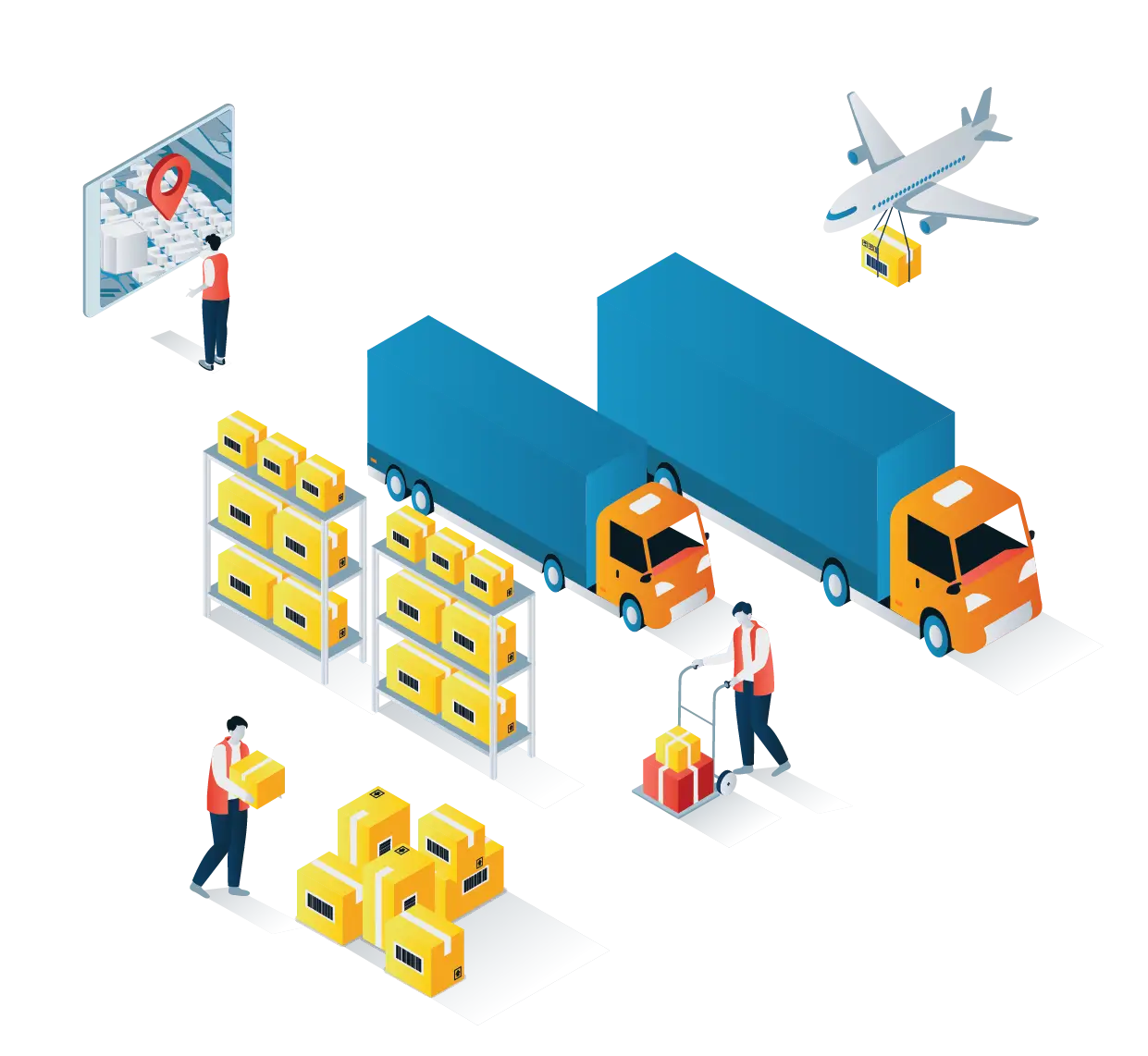
and customer
support

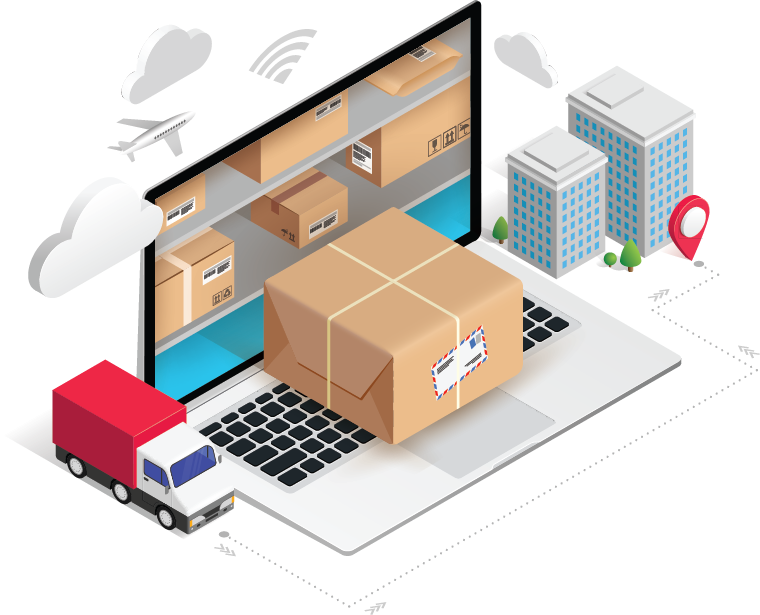
1. Route Optimisation:
Utilises real-time traffic, vehicle telemetry, and weather data to recommend the most efficient delivery routes.
Enabled by
Network Transformation, IoT, Analytics, Cloud solution
Business benefits
- Minimises fuel costs and CO2 emissions
- Increases on-time delivery and reliability
- Enhances fleet efficiency and vehicle utilisation
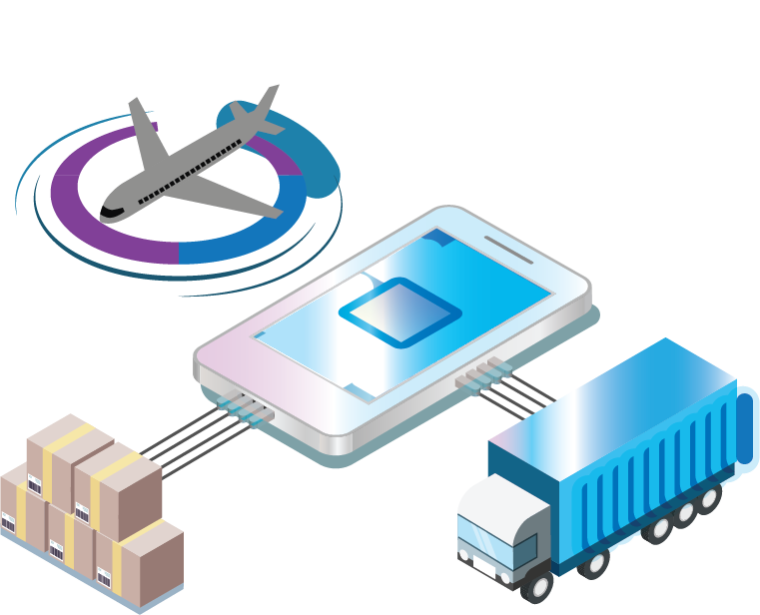
2. Digital Twin:
Creates a virtual replica of logistics networks (routes, fleets, capacity, warehouse flows) for simulation and disruption planning.
Enabled by
IoT, Cloud solution, Analytics
Business benefits
- Simulates supply chain scenarios and tests optimisation strategies
- Reduces capital expenditure by modelling instead of trial-and-error
- Enhances planning resilience during disruptions
- Siloed systems and legacy tools limit unified planning.
- Difficulty aligning logistics with sourcAing and ESG goals.
- Lack of end-to-end visibility restricts scenario modelling.
Covers both port and terminal operations and inland operations.
(a) Port and terminal operations: Focuses on loading/unloading, customs, crane automation, and documentation. These hubs generate data from IoT sensors, video analytics, and automation systems.
(b) Inland operations: Handles movement of goods across road and rail, involving yard management, fleet tracking, and gate entry/exit.
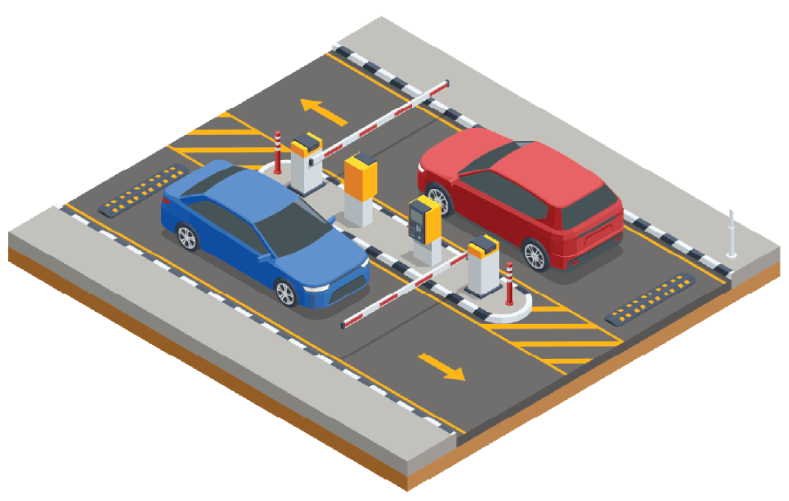
1. Gate automation:
Automates vehicle identification and access with IoT sensors, cameras, and RFID.
Enabled by
Network Transformation, Edge, IoT
Business benefits
- Reduces gate delays and wait time
- Minimises manual errors and labour costs
- Improves traffic throughput and security compliance
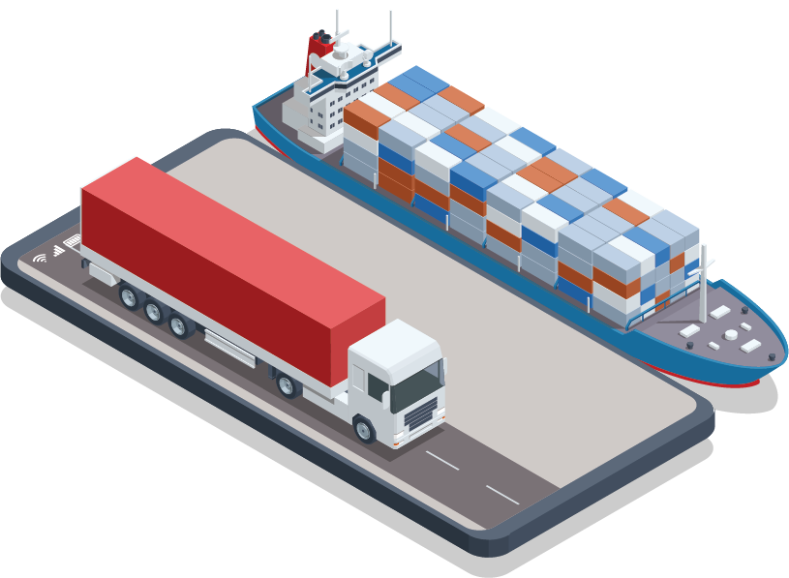
2. Autonomous fleet:
Enables self-driving vehicles for cargo movement within port premises.
Enabled by
5G, IoT, Edge Computing
Business benefits
- 24/7 operations without driver constraints
- Reduces collisions and improves safety
- Enhances turnaround time
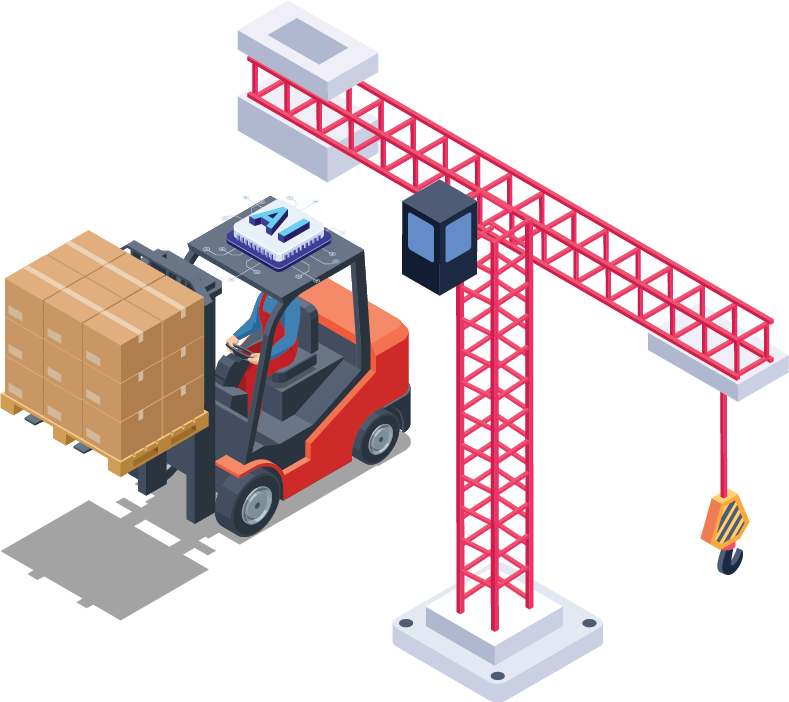
3. Crane automation:
AI-powered cranes using real-time sensor data for precision lifting, loading, and placement.
Enabled by
AI, IoT, Network Transformation
Business benefits
- Boosts operational speed and accuracy
- Minimises human error and downtime
- Enhances utilisation of equipment
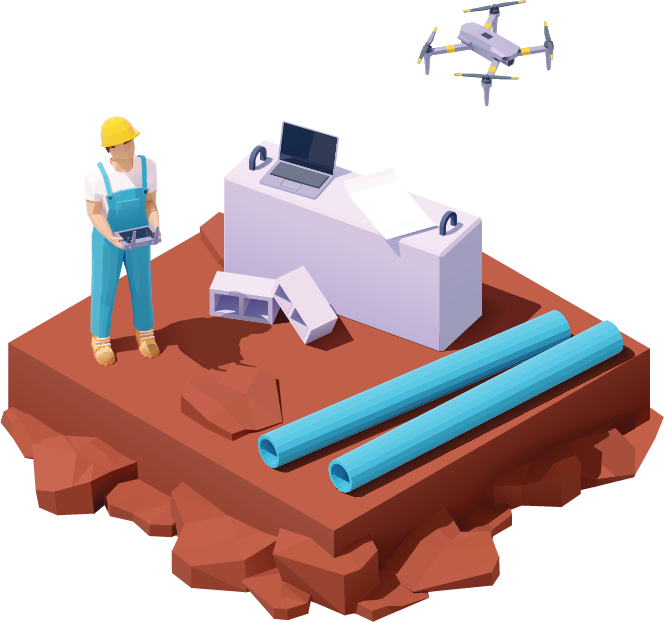
4. Drone inspection:
Uses drones to inspect cargo stacks, containers, and high-risk infrastructure.
Enabled by
IoT, Edge AI, Cloud solution
Business benefits
- Reduces inspection time by 60%+
- Improves maintenance frequency and early fault detection
- Enhances safety for inspection teams
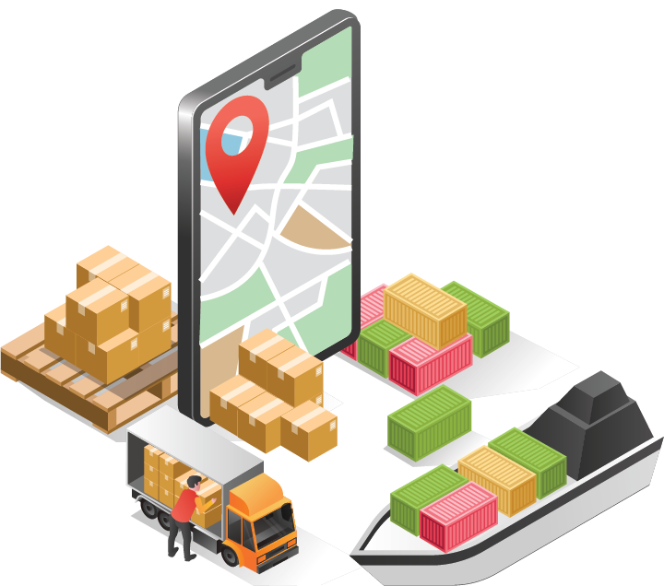
5. Container tracking:
Monitors real-time container location, condition, and movement.
Enabled by
IoT, Smart SIMs, Cloud Analytics
Business benefits
- Prevents cargo loss, theft, or spoilage
- Improves intermodal visibility and predictive ETA
- Reduces detention penalties
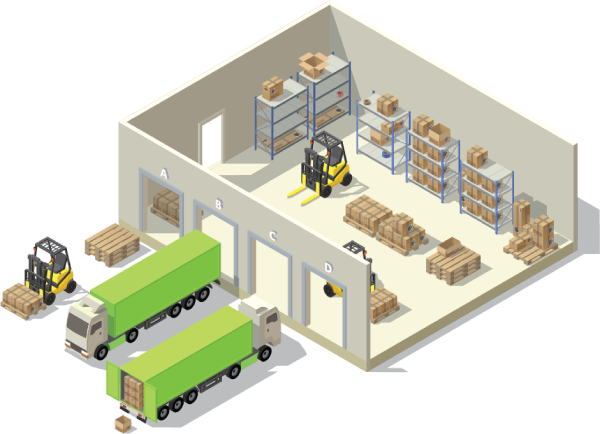
1. Truck-in truck-out:
Digital verification manages and schedules truck entry/exit at warehouses and yards.
Enabled by
IoT, Network Transformation
Business benefits
- Reduces idle time and traffic congestion
- Enhances traceability and automated logging
- Improves truck throughput
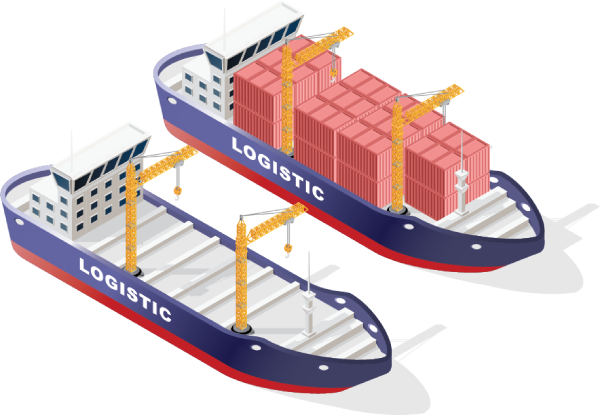
2. Logistics fleet tracking:
Provides real-time fleet health, location, and driver behaviour analytics.
Enabled by
IoT, Cloud solution
Business benefits
- Enhances on-road safety and compliance
- Improves fleet availability through proactive maintenance
- Enables predictive dispatching
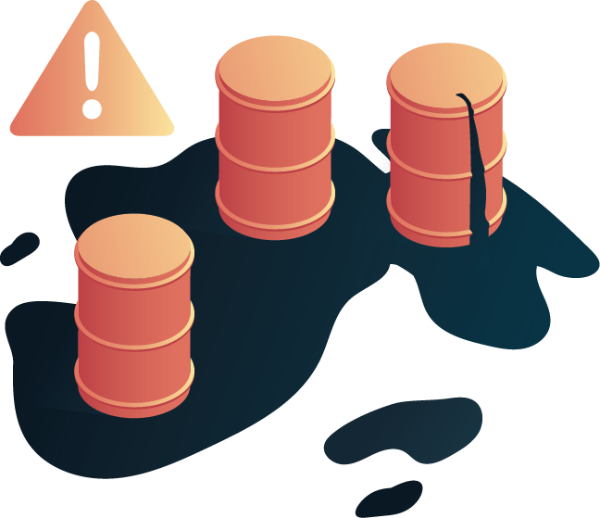
3. Spillage prevention:
Uses IoT pressure/flow sensors to detect leakages during transport.
Enabled by
IoT, Edge Alerts
Business benefits
- Prevents hazardous material exposure
- Reduces product loss and insurance claims
- Enables real-time shut-off mechanisms
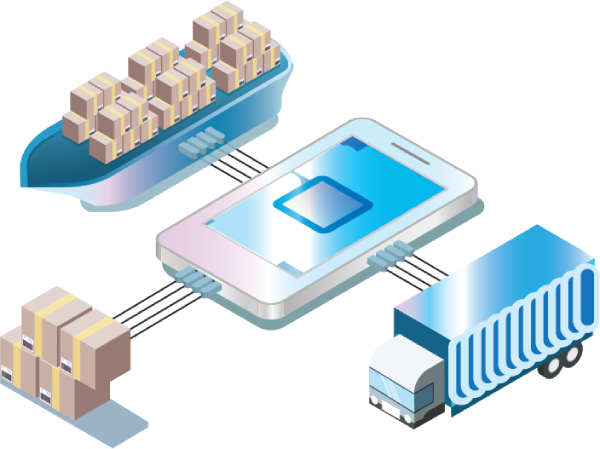
4. Yard management:
Tracks vehicles, trailers, and containers within yards to improve throughput.
Enabled by
IoT, Edge AI, Video Analytics
Business benefits
- Optimises space allocation and slotting
- Reduces dwell time and driver search time
- Enables dynamic yard orchestration
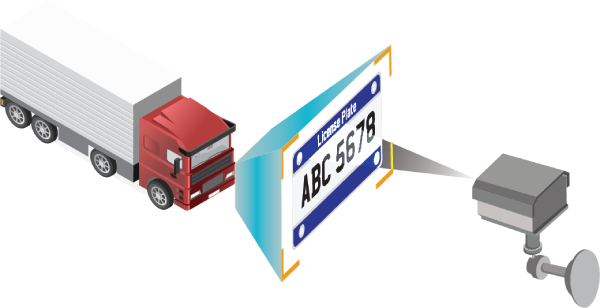
5. Automatic Number Plate Recognition (ANPR):
Captures and reads license plates using edge AI for real-time vehicle identification.
Enabled by
Edge AI, Video Analytics, Network Transformation
Business benefits
- Reduces manual logging and gate delays
- Enhances security and traceability
- Supports compliance and audit trails
- Customs delays and paperwork bottlenecks.
- Real-time tracking gaps across modes and geographies.
- Infrastructure limitations impact automated handling.
- Rising theft and spillage incidents in inland transit.
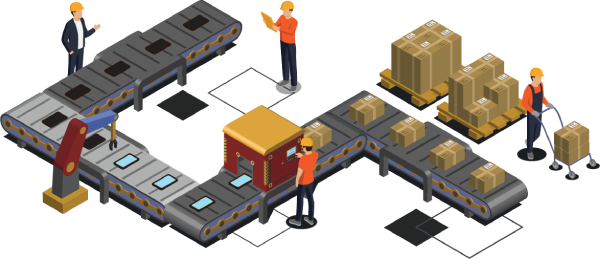
1. Warehouse automation:
Robotics and conveyors automate pick-pack-ship operations.
Enabled by
Private 5G, Edge Computing
Business benefits
- Increases throughput and reduces error rates
- Reduces labour dependency
- Scales seasonal capacity
2. Worker Safety in Warehouse:
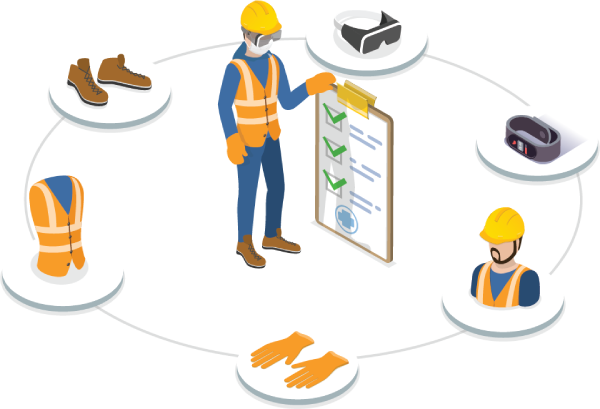
Sensors and wearables monitor fatigue, hazardous zones, and movements.
Enabled by
IoT, Video Analytics
Business benefits
- Reduces injuries and ensures OSHA compliance
- Triggers real-time alerts to safety teams
- Monitors air quality and heat zones
3. Cold chain monitoring:
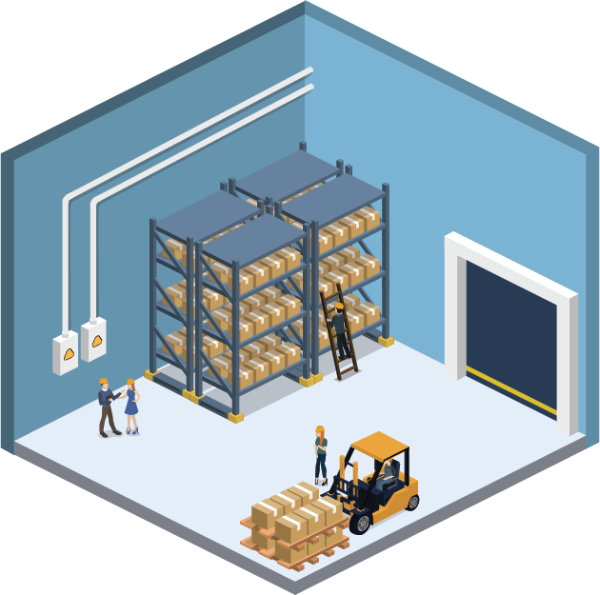
Tracks real-time temperature and humidity inside storage zones.
Enabled by
IoT, Cloud solution
Business benefits
- Ensures compliance with pharma/FMCG standards
- Prevents spoilage and returns
- Enables corrective action through predictive alerts
4. Inventory management and asset tracking:
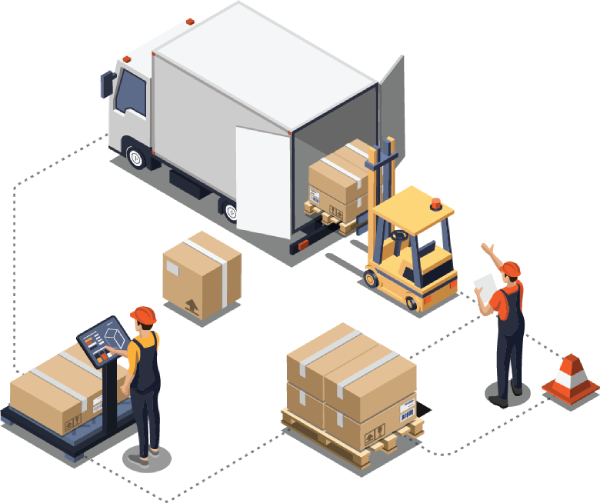
Tracks every item in the warehouse using RFID/barcodes.
Enabled by
IoT, Network Transformation, Cloud Integration
Business benefits
- Increases inventory accuracy to 99%+
- Prevents overstocking/stockouts
- Enhances order fulfillment accuracy
5. Integrated fleet and warehousing coordination:
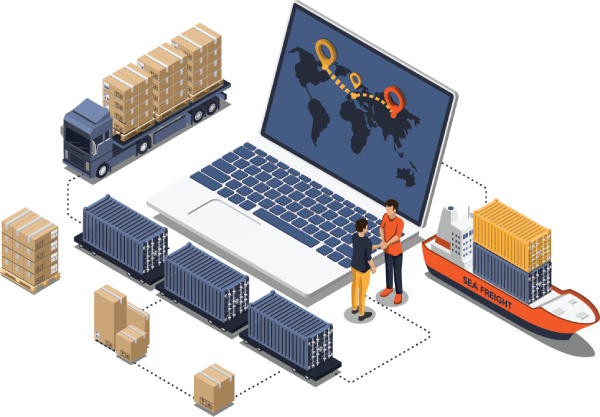
Aligns truck arrivals with dock availability to avoid bottlenecks.
Enabled by
Network Transformation, IoT, Cloud Analytics
Business benefits
- Improves inbound/outbound sync
- Reduces demurrage and loading delays
- Enhances warehouse resource efficiency
- Inefficiencies due to manual processes and lack of robotics.
- Difficulty in managing diverse inventory types across networks.
- Safety risks for workers due to poor visibility and asset tracking.
- Cold chain failures due to poor temperature monitoring.
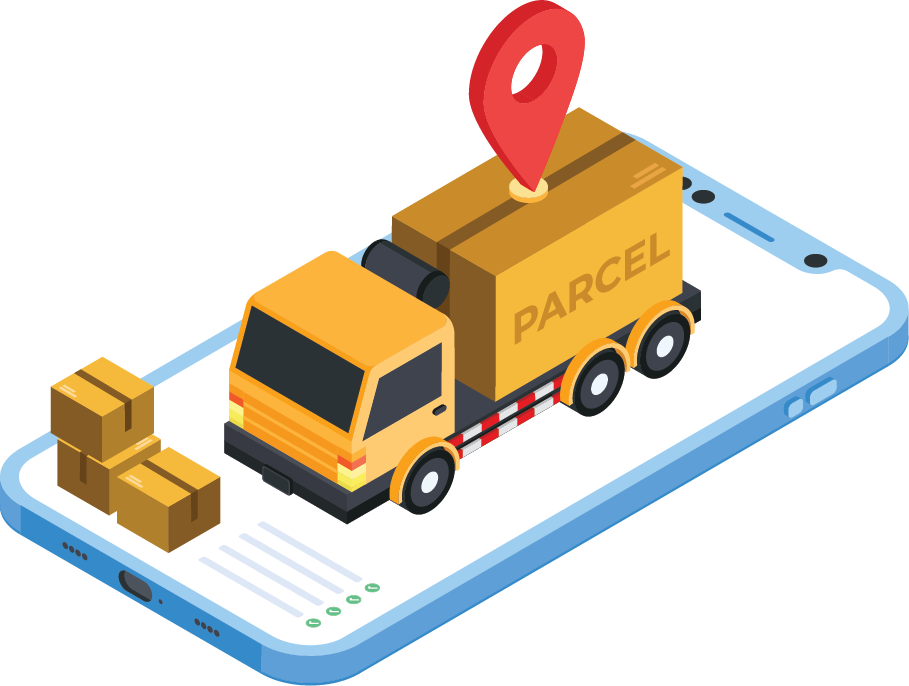
1. Order tracking:
Real-time visibility into order status across transport, fulfillment, and delivery.
Enabled by
IoT, CPaaS, Cloud Analytics
Business benefits
- Improves customer satisfaction and confidence
- Reduces missed delivery queries
- Enables real-time alerts for route exceptions
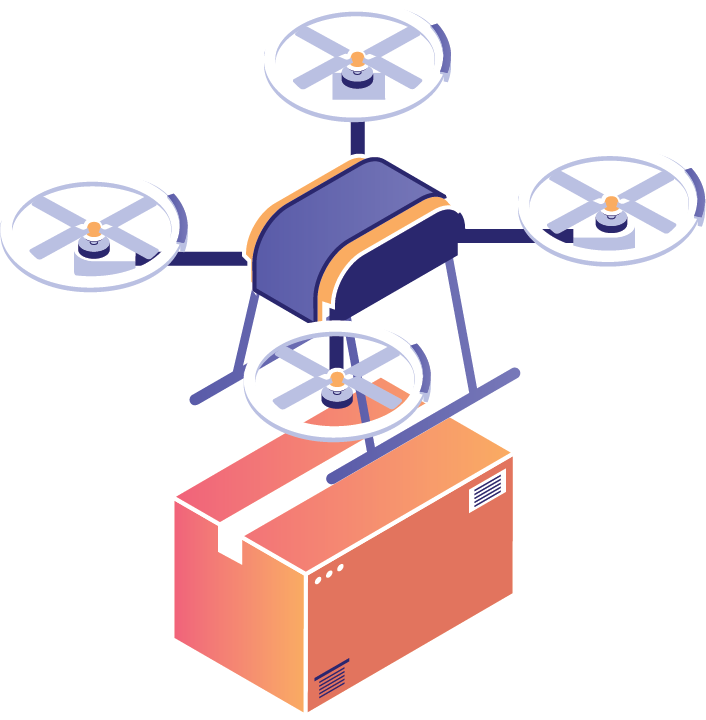
2. Drone delivery:
Autonomous, lightweight drones used for short-distance last-mile delivery.
Enabled by
IoT, Private LTE/5G
Business benefits
- Reduces congestion and delivery times in urban and high-traffic areas
- Lowers last-mile delivery costs by reducing fuel and manual workforce dependency
- Extends delivery reach to remote, rural, or disaster-hit locations where vehicles face limitations
- Improves sustainability by reducing carbon emissions compared to traditional transport modes
- Enhances customer satisfaction with faster, on-demand delivery options
- Managing last-mile delivery with real-time accuracy.
- Regulatory uncertainty around drone-based logistics.
- Limited transparency beyond Tier 1 suppliers.
- High SLA failure rates due to route unpredictability.
- Difficulty integrating multiple fulfilment nodes and partners.
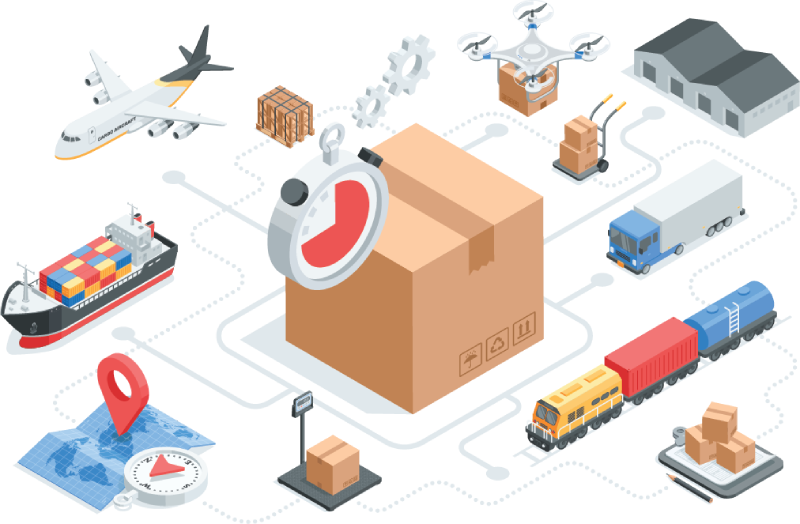
1. Supply chain visibility:
Provides real-time tracking and exception alerts across the end-to-end logistics journey—from distribution centres to customer delivery points.
Enabled by
IoT, Cloud Analytics, Edge Computing, Network Transformation
Business benefits
- Offers a single pane of visibility for shipments, delays, inventory levels, and supplier performance
- Enables proactive risk mitigation and faster decision-making
- Enhances SLA compliance and operational resilience
- Reduces cost of disruption by minimising unplanned delays and route diversions
- Improves collaboration across 3PLs, freight forwarders, and internal teams
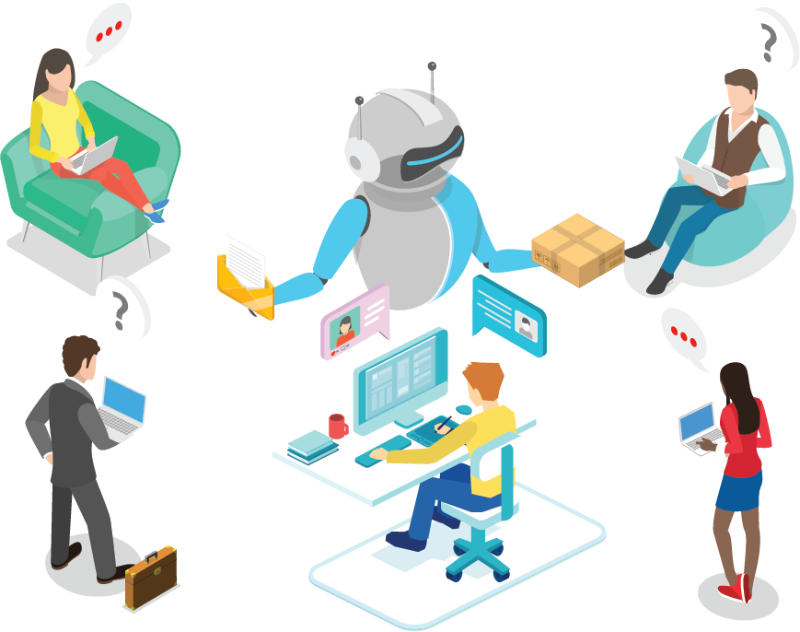
2. Customer support:
Enables seamless, multichannel communication with customers and partners for real-time updates, issue resolution, and service feedback.
Enabled by
CPaaS, Customer Interaction solutions, Cloud Contact Centre, AI Bots
Business benefits
- Reduces first response and resolution times through AI-powered self-service and automation
- Enhances customer satisfaction with proactive alerts and delivery updates
- Minimises support costs by offloading repetitive tasks to intelligent bots
- Improves customer retention and Net Promoter Scores (NPS)
- Enables consistent omnichannel experiences via WhatsApp, SMS, email, and voice
- Disjointed communication with customers.
- Lack of proactive alerts and exception management.
- Rising demand for personalised and omnichannel support.